Female healthcare workers play a critical role in providing medical services and maintaining the well-being of communities. However, the nature of their profession exposes them to various occupational hazards that can impact their health and well-being. As a platform dedicated to empowering women in the business world, we recognise the importance of ensuring a safe and healthy work environment for female healthcare workers. In this article, we explore the common occupational hazards faced by these professionals and provide strategies to prevent and address them effectively.
Understanding Occupational Hazards:
Female healthcare workers, including doctors, nurses, and paramedics, are exposed to a range of hazards, such as biological, chemical, physical, and ergonomic risks. Understanding these risks is crucial in implementing preventive measures.
Infection Control Practices:
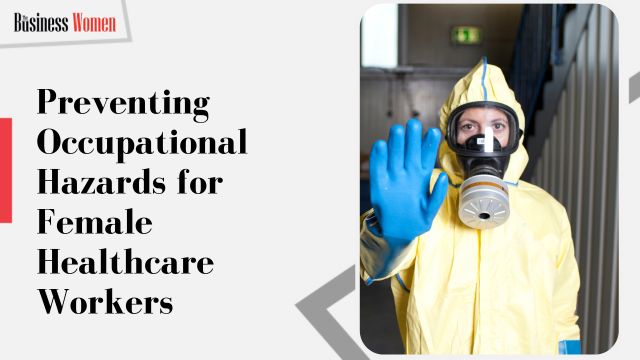
Healthcare workers face exposure to infectious diseases, particularly in high-risk environments like hospitals. Strict adherence to infection control practices, including hand hygiene, personal protective equipment (PPE) usage, and vaccination, can significantly reduce the risk of infection transmission.
Proper Handling of Hazardous Substances:
Healthcare workers come into contact with hazardous substances like chemicals and medications. Providing training on the safe handling and storage of these substances is vital to prevent accidental exposures.
Ergonomic Considerations:
The physical demands of healthcare work can lead to musculoskeletal issues. Implementing ergonomic strategies, such as proper lifting techniques, adjustable workstations, and regular breaks, can reduce the risk of workplace-related injuries.
Violence Prevention:
Female healthcare workers may face violence from patients or their relatives, particularly in emergency settings. Creating a zero-tolerance policy against violence and providing de-escalation training can help maintain a safe workplace.
Managing Psychological Stress:
The healthcare profession can be emotionally taxing, leading to burnout and mental health challenges. Encouraging open communication, providing access to counselling services, and promoting work-life balance is essential for managing psychological stress.
Preventing Sharps Injuries:
Sharps injuries, such as needlesticks, pose a significant risk of infection transmission. Proper training, safe disposal of sharps, and the use of safety-engineered devices can help prevent such injuries.
Radiation Protection:
In certain medical settings, healthcare workers may be exposed to ionising radiation. Ensuring the use of protective barriers and monitoring radiation exposure levels can safeguard their health.
Musculoskeletal Injury Prevention:
Repetitive tasks and manual handling can lead to musculoskeletal injuries. Implementing job rotation, providing lifting aids, and encouraging exercises can reduce the risk of such injuries.
Work-Life Balance and Support:
Supporting female healthcare workers with flexible work hours, access to support groups, and opportunities for career advancement can enhance job satisfaction and well-being.
Conclusion
Preventing occupational hazards for female healthcare workers is essential for maintaining a healthy and motivated workforce. Through infection control practices, proper handling of hazardous substances, and ergonomic considerations, healthcare facilities can create a safe work environment. Violence prevention, psychological stress management, and sharps injury prevention are critical aspects of ensuring the well-being of female healthcare professionals. Additionally, supporting musculoskeletal injury prevention, radiation protection, and promoting work-life balance and support contribute to a thriving and empowered workforce. As a platform dedicated to empowering women in the business world, we advocate for the implementation of comprehensive strategies to prevent occupational hazards and support the well-being of female healthcare workers.