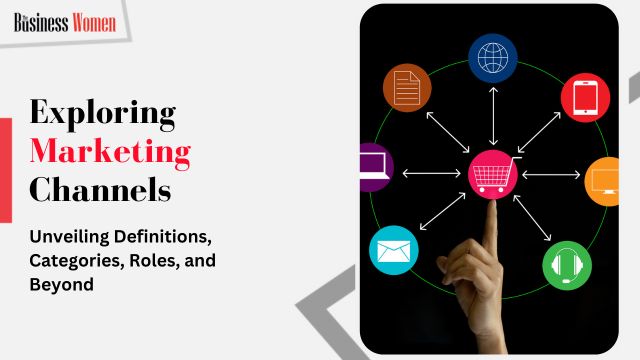
The journey of a product from its inception to market involves a web of marketing channels. These conduits, known as distribution channels, facilitate the transition from manufacturer to retailer. The broader concept of marketing channels encompasses the methods by which a company efficiently transfers its products from one entity to another, leveraging a range of mediums.
Illustrative Insight: Lay’s Path through Marketing Channels
Consider the case of Lay’s, India’s renowned potato chips brand. The omnipresence of Lay’s packets across the nation, including even remote villages, owes its existence to the realm of marketing channels. Despite limited manufacturing units, Lay’s products travel through strategic marketing channels to reach state-level depots, subsequently reaching agents and distributors before finally landing in the hands of retailers who cater to end consumers.
Pivotal Role of Marketing Channels in Business Success
The prosperity of a manufacturer’s enterprise pivots significantly on its distribution channels. Amidst numerous choices, the task of selecting the most impactful channels and tactics can be overwhelming. The absence of clarity regarding optimal strategies might deter one from taking the plunge.
Simplifying Channel Selection: Decoding Marketing Channels
Choosing marketing channels need not be an insurmountable challenge. A comprehensive understanding of marketing channels offers a guide to effective decision-making. This comprehensive guide encompasses the definition, diverse types, functions, and more pertaining to marketing channels.
Deconstructing Marketing Channels: A Fundamental Definition
A marketing channel is a system that facilitates the movement of products from producers to consumers, traversing multiple levels of intermediaries. This intricate web also referred to as a distribution channel, is an indispensable tool for strategic marketing and product development.
Diverse Spectrum: Varieties of Marketing Channels
Historically, marketing channels spanned direct approaches like mailers and indirect avenues like television. In contemporary times, the landscape has expanded to encompass targeted digital advertising, email, websites, and events. Each channel boasts distinct attributes in terms of audience and outreach, tailored to global or local markets.
Exploring Types of Marketing Channels
- Websites: Modern advertising hinges heavily on websites, serving as catalysts for conversion through engaging content.
- Digital Advertising: Esteemed for its effectiveness, digital ads demand a thorough understanding of target audiences and yield commendable results.
- Email: Personalized and far-reaching, email marketing boasts high conversion rates, making it a steadfast strategy.
- Events: From digital gatherings to in-person affairs, events offer an avenue for engaging audiences, albeit with varying costs.
- Social Media Marketing: A quintessential modern medium, strategic social media usage can transcend organic reach limitations.
- PPC: Paid ads align well with conversion-oriented strategies, capturing the attention of consumers ready to purchase.
- YouTube/Video Marketing: YouTube’s prominence as the second-largest search engine underscores the power of video content.
- Podcast Marketing: Establishing connections and sharing the human side of a business through podcast episodes fosters engagement.
- Influencer Marketing: Collaborating with industry-relevant influencers amplifies brand awareness and social validation.
Exploring Channel Diversity: Notable Marketing Platforms
An extensive array of platforms and communication mediums fuel customer engagement, including:
- Affiliate Marketing
- Apps
- Blogs
- Websites
- Email
- SMS Marketing
- PR Events
- Social Media Networks
- Social Media Ads
- Events
- Press Releases
- TV Commercials
- Chatbots
- Online Video
Functional Dynamics: Roles of Marketing Channels
Marketing channels perform pivotal functions, acting as bridges between manufacturers and customers. Intermediaries facilitate various aspects, enriching the experience for both parties.
Comprehensive Functionality: An In-Depth Analysis
- Sorting: Middlemen curate products of similar quality and features from diverse manufacturers.
- Accumulation: Marketing channels ensure consistent product supply, and intermediaries maintain necessary stock levels.
- Allocation: Middlemen break down bulk quantities into smaller packages to match customer preferences.
- Assorting: Customers benefit from a diverse range of products centralised by middlemen from various sources.
- Product Promotion: Middlemen contribute to sales promotion through special displays, loyalty programs, discounts, etc.
- Negotiation: Middlemen engage in negotiations with both manufacturers and consumers, determining factors like pricing and quality.
- Risk-Taking: Wholesalers and retailers shoulder various risks, from expiry to transportation-related challenges.
Decoding Multichannel vs. Omnichannel Marketing
- Multichannel Marketing: Utilizing multiple channels to reach customers.
- Omnichannel Marketing: Providing consistent customer experiences across diverse channels.
Navigating Channel Selection: Tailoring Marketing Strategies
Crafting a successful marketing approach hinges on business type and target audience. Employing a mix of channels cultivates multiple touchpoints, nurturing leads and enhancing conversions. While embracing new channels is beneficial, the focus should align with growth maximisation.
Channelizing Success: The Essence of Marketing Channels
Marketing channels breathe life into product mobility, orchestrating a seamless journey from manufacturing units to consumers. The absence of effective distribution hampers the realisation of a manufacturer’s production value.